
TrackForce vs Manual HR Reporting: A Real Cost Comparison
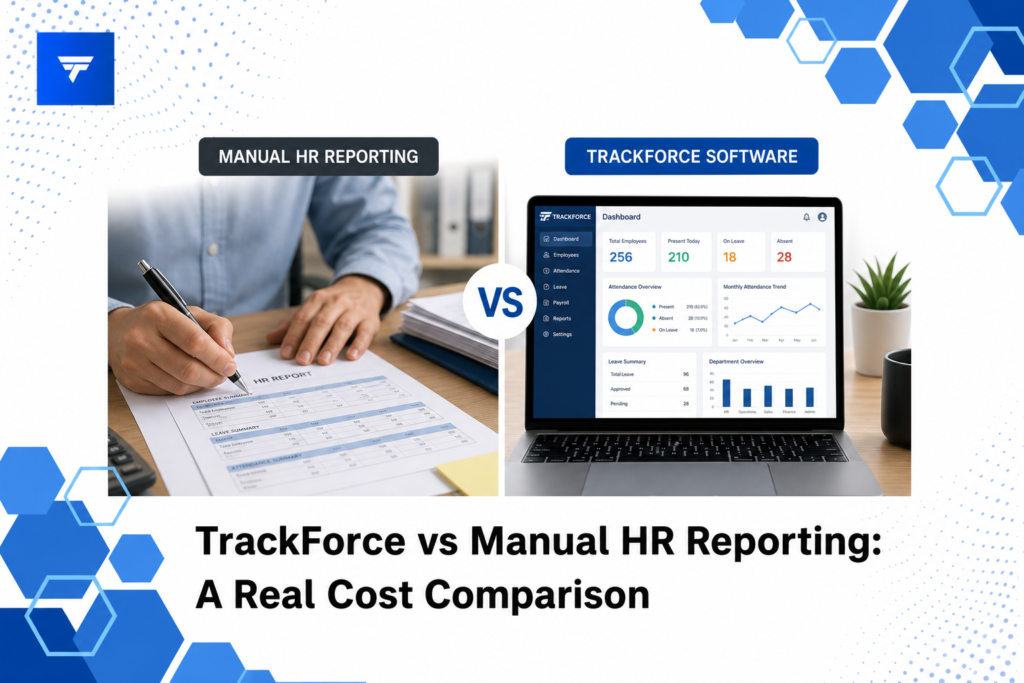
TrackForce vs Manual HR Reporting: A Real Cost Comparison
Introduction
In the ever-evolving world of HR, accurate and efficient reporting is crucial. Manual reporting methods can lead to approximately 50% more time spent on data entry and verification, according to a study by HR Tech Weekly. In contrast, automated solutions like TrackForce streamline these processes, providing a concrete benefit in time and cost savings.
This article will delve into the practical differences between TrackForce and manual HR reporting, focusing on cost implications, operational efficiencies, and the broader impact on resource management. By the end, you’ll understand the true cost of your HR reporting strategy and explore whether a switch to TrackForce is the right move for your organization.
What Is HR Reporting?
HR reporting involves collecting, analyzing, and presenting data regarding the human resources of an organization. This process is essential for tracking employee information, identifying productivity trends, and ensuring compliance with labor regulations. Traditionally, HR reporting was a manual process, involving spreadsheets and considerable time investment.
The purpose of HR reporting is multifaceted. It provides insights into workforce efficiency, assists in strategic decision-making, and enhances HR’s role as a strategic partner within the business. However, as organizations grow, manual HR reporting often becomes cumbersome, leading to inefficiencies and errors.
Automation through solutions like TrackForce addresses these challenges by offering tools that automate data collection and analysis. This shift benefits HR teams and business decision-makers who need accurate, timely information to act upon potential insights and make informed decisions.
TrackForce vs Manual HR Reporting: Cost Breakdown
1. Data Entry Errors
Manual HR reporting is prone to data entry errors, which can result in costly corrections and compliance issues. For HR teams and administrators, the burden of ensuring data accuracy can lead to increased workloads and stress. With TrackForce, automated data entry eliminates these errors by pulling information directly from integrated systems, reducing correction costs and improving data reliability.
2. Time Efficiency
Manual reporting requires HR professionals to spend valuable time aggregating and cross-verifying data. This process often takes away from strategic HR activities. TrackForce offers real-time dashboards and reporting features that drastically reduce the time needed to gather and analyze data, freeing professionals to focus on higher-priority tasks like talent management and strategic planning.
3. Compliance and Security
Ensuring compliance with evolving labor laws and maintaining secure handling of employee data are challenges for manual systems. TrackForce provides robust compliance tools, such as automated audit trails and encryption, which are crucial for IT directors and HR teams concerned with insider threat prevention and data security. This reduces the risk of penalties and enhances peace of mind.
4. Operational Costs
Maintaining manual reporting systems can incur high operational costs, including labor, training, and potential downtime. Operations managers often face budget constraints that limit their ability to expand HR capabilities. By investing in a solution like TrackForce, organizations can reduce these ongoing costs by utilizing scalable technologies that grow with the organization.
5. Strategic Insights
Manual reports often fail to deliver actionable insights promptly, limiting a company’s ability to make informed decisions quickly. Executives and business owners benefit from TrackForce’s advanced analytics, which provide context-rich insights and predictive analytics, guiding strategic HR initiatives and investments.
Types and Features of TrackForce
TrackForce offers robust features that address common HR reporting challenges. Its real-time dashboard provides a comprehensive overview of workforce activities, highlighting productivity patterns and potential areas for improvement. Key features include app and website tracking, which offer insights into how employees spend their work hours, and email monitoring to ensure communication compliance.
Additionally, TrackForce’s smart behavior analytics help HR teams detect and address risky behavior or performance gaps early on, enabling proactive management of employee productivity and security. These capabilities make TrackForce an ideal choice for organizations aiming to improve operational efficiency and enhance workforce accountability.
Pricing and Cost Considerations
TrackForce offers tiered pricing plans to accommodate various organizational needs. The Essential Plan, priced at $4.99 per user per month, includes basic dashboard access, app and website tracking, and daily productivity reports. This plan is ideal for startups looking to gain visibility into team activities without significant investment.
The Professional Plan costs $9.99 per user per month and adds file transfer and email monitoring, screen recording, and keystroke logging, making it suitable for mid-sized enterprises concerned with security and compliance. The Ultimate Plan, at $12.99 per user per month, offers advanced risk analytics and task costing, catering to larger organizations with complex workforce management demands.
Why This Cost Analysis Matters
For businesses striving to maintain a competitive edge, understanding the impacts of their HR reporting strategy is crucial. Manual systems often present hidden costs related to time inefficiencies, data errors, and compliance risks that can affect an organization’s bottom line. In contrast, solutions like TrackForce provide transparency, accountability, and a strategic advantage essential for sustainable business growth.
Moreover, as the demand for remote and hybrid work environments grows, ensuring seamless integration and robust security becomes paramount. TrackForce delivers these benefits with its detailed monitoring and secure handling of sensitive information, supporting IT directors and managers in navigating these new challenges successfully.
Organizations investing in tools like TrackForce demonstrate a commitment to embracing technology to enhance HR efficiency and business performance, solidifying their place as leaders in their respective industries.
How TrackForce Works
Setting up TrackForce is straightforward. Organizations begin by selecting the plan that best fits their needs, then proceed with the implementation, which includes integrating existing HR systems with the TrackForce platform. This phase requires minimal technical expertise and can be facilitated via remote support if needed.
The platform offers an intuitive user interface, allowing HR teams and managers to access and analyze workforce data efficiently. Core functionalities like real-time tracking, behavioral analytics, and customizable reporting rules require only initial configuration followed by hands-on operation.
Employees can easily be onboarded to the system, with HR teams managing permissions and monitoring parameters via role-based access control. This ensures that insights remain accurate and secure, effectively equipping organizations to manage and optimize their workforce dynamics.
Conclusion
For organizations looking to improve their HR reporting efficiency while managing costs, TrackForce presents a compelling solution. By leveraging advanced technology and real-time analytics, TrackForce helps businesses adapt to modern challenges while enhancing workforce management capabilities. Experience a 30-day free trial and see how TrackForce can integrate with your existing organizational processes today.
FAQs
How does TrackForce improve data accuracy?
TrackForce reduces data entry errors by automating data collection and integration processes. This ensures that information is gathered directly from source systems without manual intervention, significantly improving accuracy and reliability over time.
Can TrackForce be customized to specific organizational needs?
Yes, TrackForce offers customizable monitoring rules and role-based access features, allowing organizations to tailor the platform to their specific requirements. This customization ensures that the tracking and reporting capabilities align with business objectives and privacy regulations.
What kind of support is available for setting up TrackForce?
TrackForce provides comprehensive support during setup, including remote assistance and integration guidance. The platform’s user-centric design facilitates quick deployment, and dedicated account managers are available to address any ongoing questions or challenges.
Is TrackForce suitable for small businesses?
Absolutely. TrackForce’s tiered pricing model makes it accessible to small businesses, allowing them to gain insights into workforce activities without significant costs. The Essential plan offers basic features that cater to the needs of startups and growing enterprises effectively.
