
How to Use Time Tracking Data to Justify Resource Allocation to Leadership
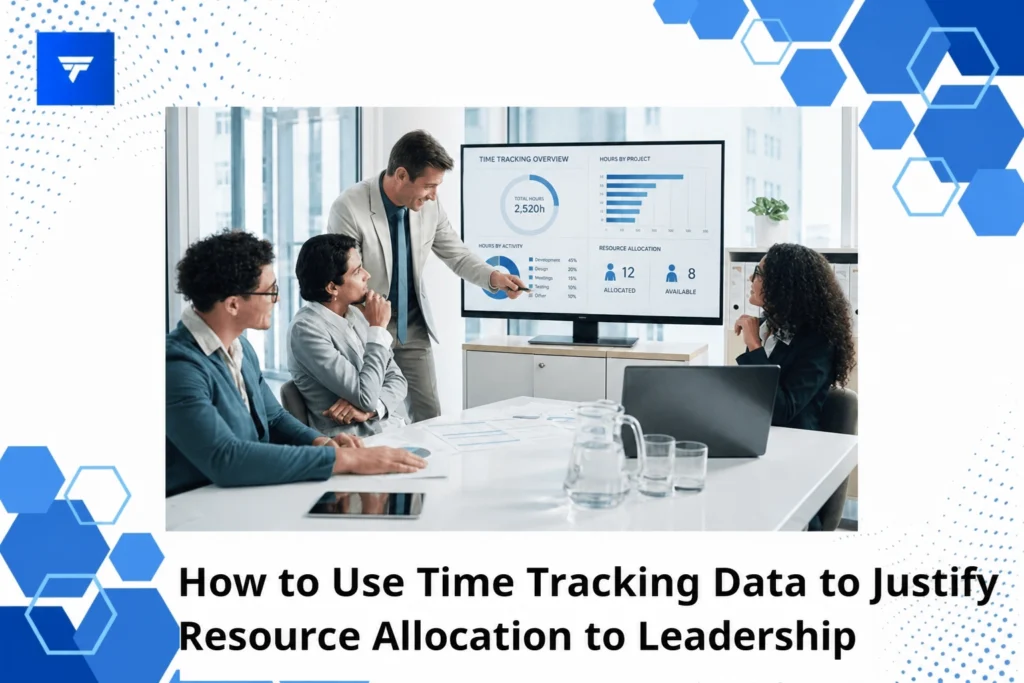
How to Use Time Tracking Data to Justify Resource Allocation to Leadership
Introduction
A recent survey highlighted that only 37% of teams are able to complete projects on time consistently due to inefficient resource allocation. This gap in productivity has left many organizations scrambling to find effective methods to justify and enhance the deployment of their limited resources. With accurate time tracking data, businesses can pinpoint exactly where manpower is needed and make informed decisions that align with company goals.
In this article, we will explore how time tracking data can justify resource allocation decisions to leadership. Readers will gain insight into practical applications, learn about key metrics, and understand the tools that can aid their analysis, such as TrackForce.
What Is Time Tracking in Business Context?
Time tracking is the process of recording the hours worked by employees on various tasks or projects. This data forms the backbone of workforce management, enabling companies to analyze productivity, estimate project timelines, and allocate resources efficiently.
The primary audience for time tracking involves operations managers, HR teams, and business leaders seeking clarity on how employee time translates into business outcomes. It serves multiple purposes: from payroll processing and billing to strategic resource allocation and performance assessment.
Understanding who spends time on what activities reveals bottlenecks, highlights under-resourced areas, and provides critical insights into project execution flow. By integrating time tracking into business operations, companies can create accountability and transparency within their teams.
How to Use Time Tracking Data to Justify Resource Allocation
1. Identify Bottlenecks with Task Duration Tracking: One practical way is by examining which tasks consume the most time. By knowing this, managers can pinpoint inefficient processes. This is incredibly beneficial for project managers who must balance timelines against client expectations. They can utilize TrackForce to analyze task durations and reroute resources to alleviate these bottlenecks.
2. Analyze Peak Productivity Hours: Time tracking reveals when teams are most productive. For team leaders working on deadline-driven projects, this information is key. By scheduling critical meetings or tasks during these high-efficiency periods, they can maximize output. Tools like TrackForce provide real-time dashboards that visualize these trends effectively.
3. Evaluate Task Costs with Detailed Reporting: By assigning a cost to the time spent on specific tasks, managers can better justify budget needs to leadership. Cost insights help finance teams allocate funding where it’s most needed, enhancing financial planning and accountability. TrackForce’s task costing feature supports these efforts with precise cost analytics.
4. Monitor Team Utilization Rates: Utilization rates measure the proportion of hours worked against available hours. For HR teams, understanding this metric ensures that employees are neither overburdened nor underutilized. By using comprehensive data from tools like TrackForce, they can optimize staffing levels and propose resource adjustments to leadership confidently.
5. Track Impact on Key Performance Indicators (KPIs): Time tracking allows organizations to align employee efforts with organizational KPIs. This is most advantageous for business owners focused on strategic objectives. By linking time data to specific goals, they can calculate the impact on profitability and efficiency. TrackForce offers customized reports that seamlessly connect time tracking data to KPIs.
6. Detect and Address Idle Time: Recognizing idle time helps managers balance workloads and reduce waste. For operations managers overseeing remote workforces, this is particularly crucial. They can reallocate responsibilities to maintain uniform workload distribution. TrackForce’s behavioral analytics provide visibility into idle time, assisting in resource realignments.
Features of TrackForce for Effective Resource Allocation
TrackForce offers a wide array of features that are designed to facilitate efficient time tracking and resource allocation. The real-time dashboard gives managers instant insights into team activities, allowing for quick decisions based on actual data. The app & website tracking functionality informs managers about the productive habits of their teams, enabling data-driven discussions on workforce optimization.
Role-based access ensures that sensitive information is securely managed, allowing only authorized personnel to view specific data sets. Furthermore, TrackForce’s customizable monitoring rules mean organizations can tailor what they track, reducing the noise and highlighting truly relevant data points for resource allocation.
Pricing for TrackForce Services
TrackForce offers a tiered pricing model with features tailored to meet diverse business needs. The Essential plan, priced at $4.99 per user per month, includes dashboard access, screenshots, app/website tracking, and daily productivity reports. This option is ideal for businesses starting with time tracking solutions.
The Professional plan costs $9.99 per user per month and includes additional features like file transfer, email/chat monitoring, and screen recording. For companies seeking comprehensive data analysis and security measures, the Ultimate plan at $12.99 per user per month provides advanced risk analytics and custom policy restrictions for nuanced resource management.
Why Justifying Resource Allocation with Time Tracking Matters
Resource allocation hinges on understanding how time is spent and its impact on company objectives. In today’s data-driven landscape, making decisions based on intuition alone is no longer sufficient. Companies need credible data to support strategic decisions, particularly when presenting their case to leadership.
TrackForce provides organizations with the visibility needed to make these informed decisions. By coupling comprehensive analytics with customizable settings, it becomes a crucial tool in aligning workforce management with strategic business goals. This empowers operations managers and business leaders to allocate resources where they will deliver the most value.
Furthermore, addressing idle time, productivity peaks, and task durations not only optimizes current operations but offers a framework for future growth. TrackForce equips businesses with insights that extend far beyond time tracking, into realms of predictive analytics and strategic planning.
How TrackForce Works
Setting up TrackForce is straightforward, allowing teams to start gathering valuable insights swiftly. Once installed, the software begins capturing real-time data on employee activities. The intuitive dashboard provides managers with instant access to productivity graphs and task-specific analytics, enabling quick identification of areas needing resource adjustments.
The workflow can be customized to fit specific team dynamics. With role-based access, managers can ensure that the right individuals see the pertinent information necessary for decision-making. This flexibility makes TrackForce suitable for organizations of all sizes, from small teams to large enterprises.
The software’s ability to scale seamlessly with business needs allows ongoing optimization of resource allocation. Whether evaluating daily tasks or planning long-term projects, TrackForce offers the tools necessary for a comprehensive understanding of team performance.
Conclusion
Maximizing resource efficiency through time tracking is essential for any organization aiming for sustained success. To explore how you can leverage detailed analytics for strategic resource allocation, consider a TrackForce free trial today.
FAQs
What is the ROI of using time tracking for resource allocation?
The return on investment (ROI) from time tracking is realized by enhancing productivity, reducing wasteful expenditures, and aligning manpower with strategic goals. By demonstrating value through data, companies can better allocate resources and subsequently increase profitability and project success rates.
How does time tracking improve budget planning?
Time tracking delivers precise insights into task costs and project durations. This allows financial planners to more accurately predict budget needs and allocate funds where they are most required. Insights into labor costs can direct smarter budget distribution around key projects and deliverables.
Can time tracking help prevent employee burnout?
Absolutely. By monitoring how employees spend their time, managers can identify excessive workloads and redistribute tasks accordingly. This visibility reduces the risk of burnout and fosters a healthier work-life balance, promoting overall team satisfaction and productivity.
Is TrackForce suitable for remote teams?
TrackForce is ideally suited for remote teams by providing real-time visibility into employee activities, regardless of location. Its comprehensive monitoring and reporting tools ensure that remote workers stay productive and accountable while giving managers the insight needed for effective oversight.
